

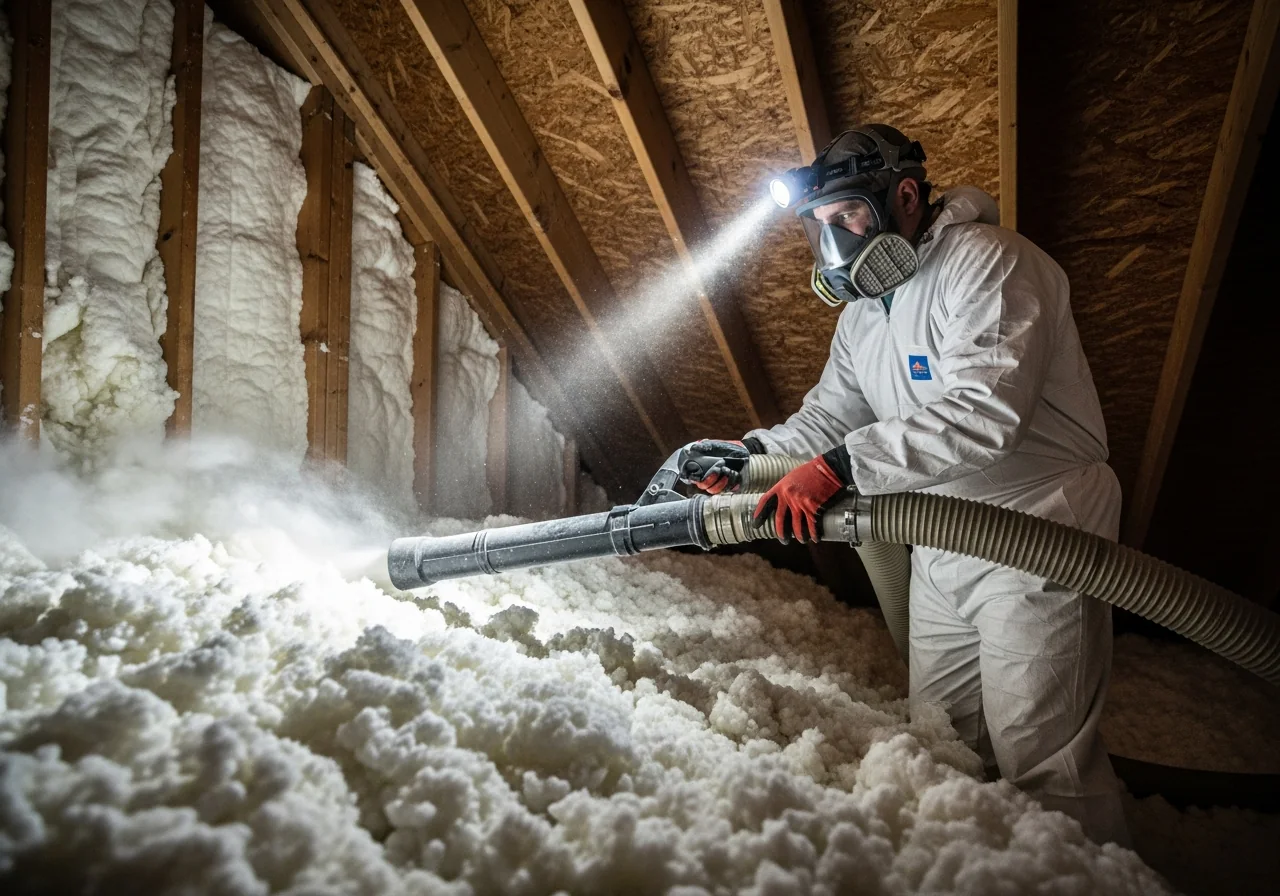
Attic Insulation • Chesapeake, VA
Attic Insulation in Indian River, Chesapeake
Indian River's 1950s–70s ranches along the Elizabeth River's Eastern Branch are some of the best-built small homes in Chesapeake, and many have thin or settled attic insulation worth evaluating. Project timing depends on attic access and the written scope.
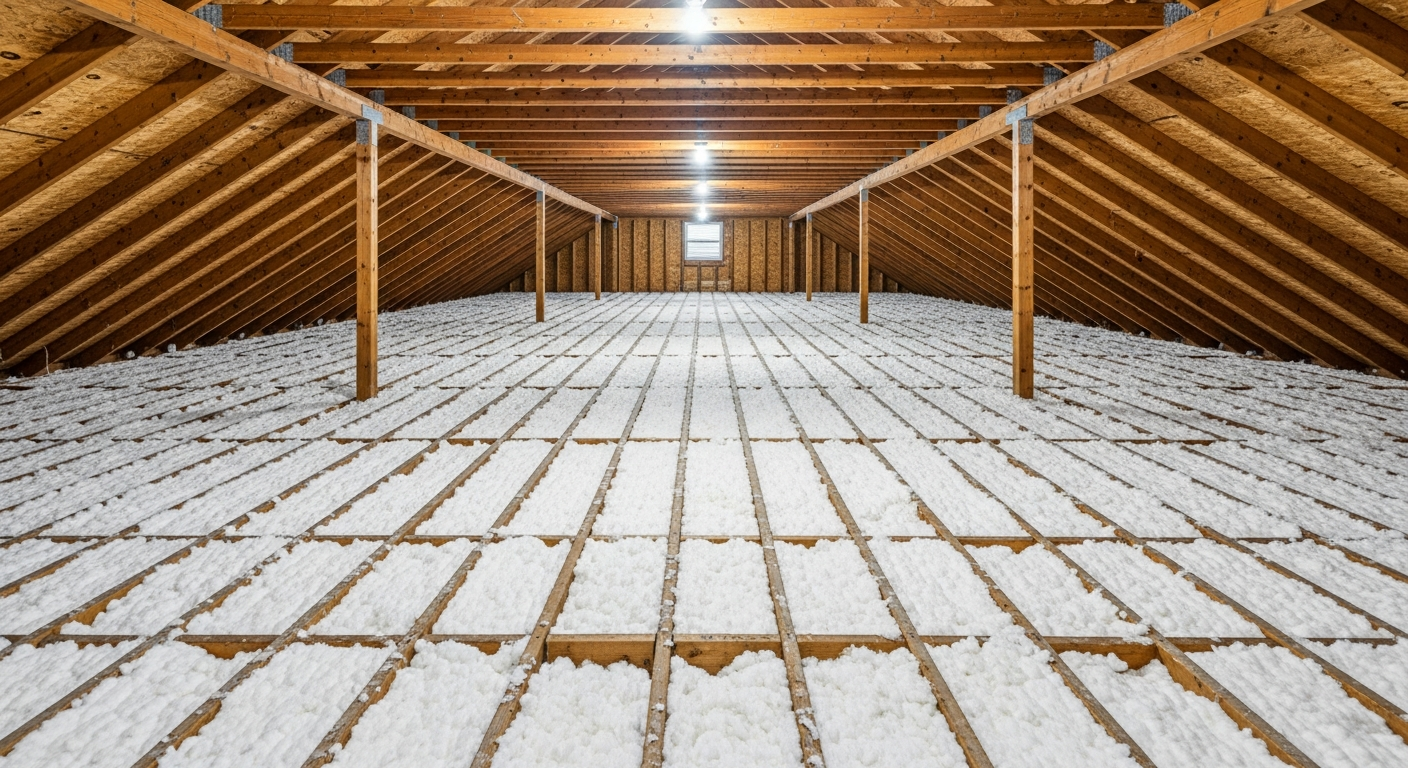
Attic Insulation Built for Indian River
Indian River grew along the Eastern Branch of the Elizabeth River and its namesake tributary, from the riverside streets of Oaklette to the neighborhoods flanking Military Highway and Indian River Road. Most of it was built in the twenty years after World War II — brick ranches and modest two-stories on shaded lots, the postwar backbone of northern Chesapeake.
Those ranches share an attic profile we know by heart: shallow rooflines with tight eave access, two or three inches of original insulation — rock wool or early fiberglass — and decades of river-influenced humidity working on it. Low attics like these run brutally hot in summer, radiating heat down through ceilings just a few feet below the shingles, and the small footprint means owners often assume nothing can be done.
Plenty can. Blown-in fiberglass reaches everywhere batts can't in a low attic, and air-sealing the ceiling plane first stops the leaks that make these homes drafty in winter. A one-day upgrade takes an Indian River ranch from its 1960s baseline to modern performance — usually the best efficiency-per-dollar move available.
We Know Indian River — Street by Street
Local landmarks aren't just trivia — they tell us what your attic is up against.
Oaklette & the Eastern Branch
The riverside streets carry humidity into low attics year-round — degraded original insulation is nearly universal in Oaklette's ranches.
Indian River Road Corridor
The postwar neighborhoods along the corridor are prime one-day upgrade candidates — small attics, huge before-and-after difference.
Military Highway
Homes near the corridor deal with heat-island exposure on top of thin insulation — summer attic temps here are among the highest we measure in Chesapeake.
What Indian River Attics Are Up Against
Attic conditions vary between Chesapeake homes. In Indian River, we check insulation depth, coverage gaps, air leakage, and visible moisture before recommending work.
- Original 1950s–70s insulation just two to three inches deep
- Low rooflines that radiate summer heat through nearby ceilings
- Tight eave access that defeats casual DIY approaches
- River humidity degrading sixty-year-old rock wool and fiberglass
- Postwar electrical and vent penetrations leaking air into attics
Every job starts with a free attic inspection — we measure your current R-value, check ventilation and ductwork, and give you a straight answer on whether you need a top-up, a full removal and replacement, or nothing at all yet.
Upgrade to Pest Guard Attic Insulation™
For Indian River homeowners we also install Pest Guard Attic Insulation™ — premium fiberglass treated with borate, a naturally occurring mineral that deters roaches, ants, spiders, and silverfish for the life of the insulation.
Pest deterrent — borate repels crawling insects around the clock.
Energy savings — actual results vary by home, existing insulation, HVAC use, and project scope.
Lasting protection — borate doesn't evaporate or wash out.
Financing Options Available
Don't let upfront cost stand between your Indian River home and year-round comfort. Financing options are available for qualified homeowners. Current plans, rates, down-payment requirements, and approval criteria vary by project. Ask about payment terms and the amount financed before work begins.
Indian River Attic Insulation Questions
My Indian River ranch has a really low attic. Can you even work in it?
Yes — low postwar attics are daily work for us. Blown-in insulation is made for exactly this space: the hose reaches the tight eaves and shallow corners that batts never could. If there's an access hatch, we can transform it.
Not sure how much insulation you have up there right now? Book a free attic inspection
There's some old fluffy gray insulation up there. Should it stay?
That's likely original rock wool. If it's dry and clean we can often top over it; if it's moisture-damaged or contaminated we remove it first. Either way you get photos and a straight recommendation from the free inspection.
Want the detail on what we install and to what depth? See our attic insulation service
Why does my ranch get so hot in the evening even after the sun sets?
Your attic spent all day banking heat a few feet above your ceiling, and thin insulation lets it radiate down all evening. Proper R-value breaks that heat battery effect — evenings cool off with the outdoors again.
Budgeting the work? Check attic insulation pricing
Is a small ranch attic cheaper to insulate than a big two-story?
Generally yes — less area means less material and time. Indian River ranches are some of the more manageable full-attic upgrades we do, with the estimate based on the home's measured conditions.
Not sure how much insulation you have up there right now? Book a free attic inspection
Can you fix the drafts around our ceiling fixtures too?
That's the air-sealing step, and it's included. Postwar homes have accumulated decades of fixture swaps and vent penetrations — we seal them from the attic side before the insulation goes down.
Want the detail on what we install and to what depth? See our attic insulation service
More Insulation Help Nearby
Attic insulation in other Chesapeake neighborhoods:
Recent Work in Chesapeake
Recent Attic Insulation Jobs Near Indian River
2 recent attic insulation projects completed in Chesapeake, serving homeowners across Chesapeake, including work near Great Bridge and Western Branch. Click any pin for the neighborhood and service details.
Showing 2 recent completed jobs · Click a pin to see service details
2 Most Recent Jobs
Old insulation removed and fresh blown-in fiberglass installed to full R-49 depth.
Old insulation removed and fresh blown-in fiberglass installed to full R-49 depth.