

Attic Insulation • Chesapeake, VA
Attic Insulation in Greenbrier, Chesapeake
Greenbrier's 1970s–90s subdivisions surround the busiest retail corridor in Chesapeake — and sit under attics that haven't been touched since the day they were built. One day of work fixes thirty years of energy loss.
Attic Insulation Built for Greenbrier
Greenbrier is Chesapeake's everything district — Greenbrier Mall and the Crossings retail corridor, Chesapeake City Park with its Jubilee festival grounds, Oak Grove Lake Park's walking trails, and the office parks along Greenbrier Parkway. Around all of it, the subdivisions built from the mid-1970s through the 1990s house one of the biggest concentrations of families in the city.
Those homes share a common attic story: builder-grade insulation from an era when energy was cheap, installed thin and never upgraded. Add Hampton Roads humidity, three decades of settling, and HVAC systems pushing air through attic ductwork that was never sealed, and you get the pattern we see across Greenbrier — upstairs rooms that won't hold temperature and energy bills that creep up every year.
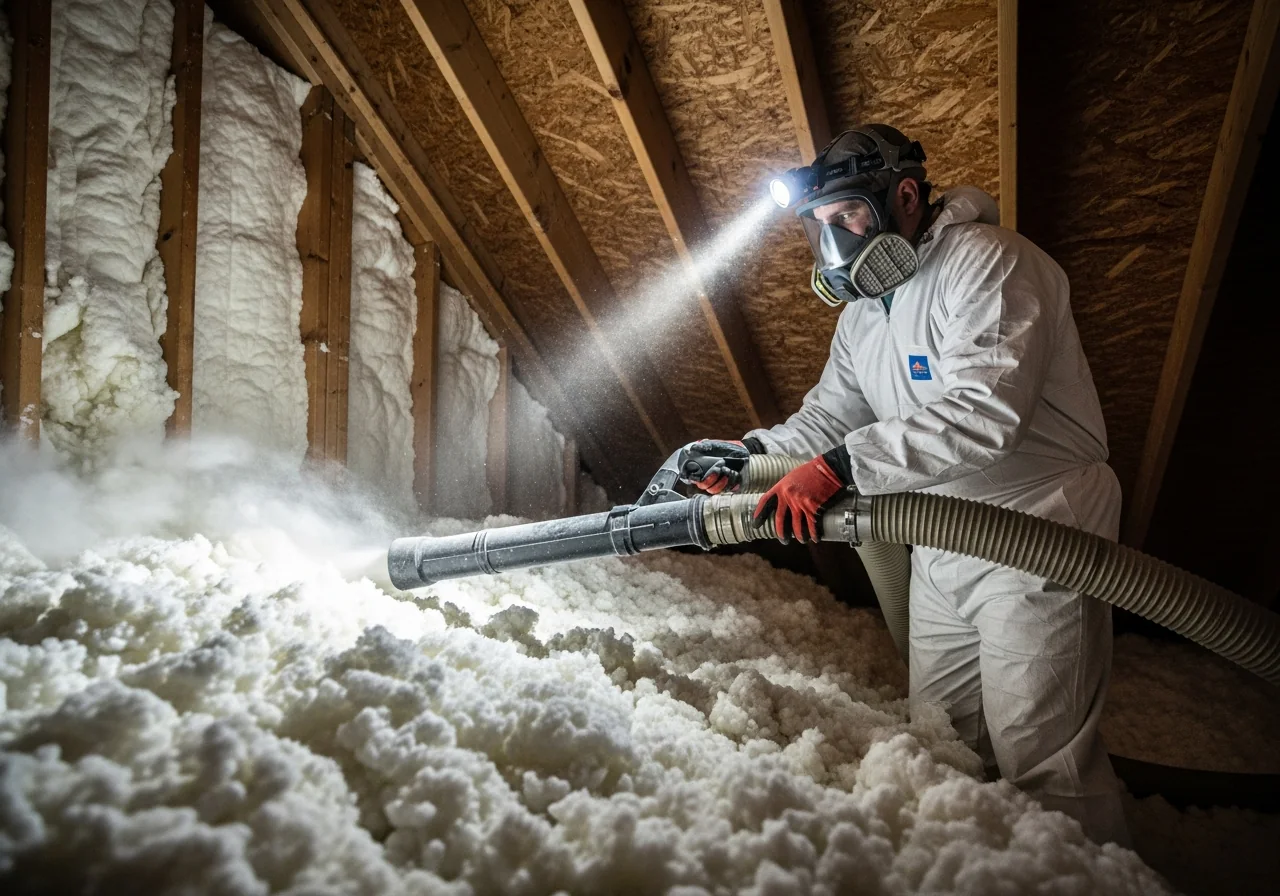
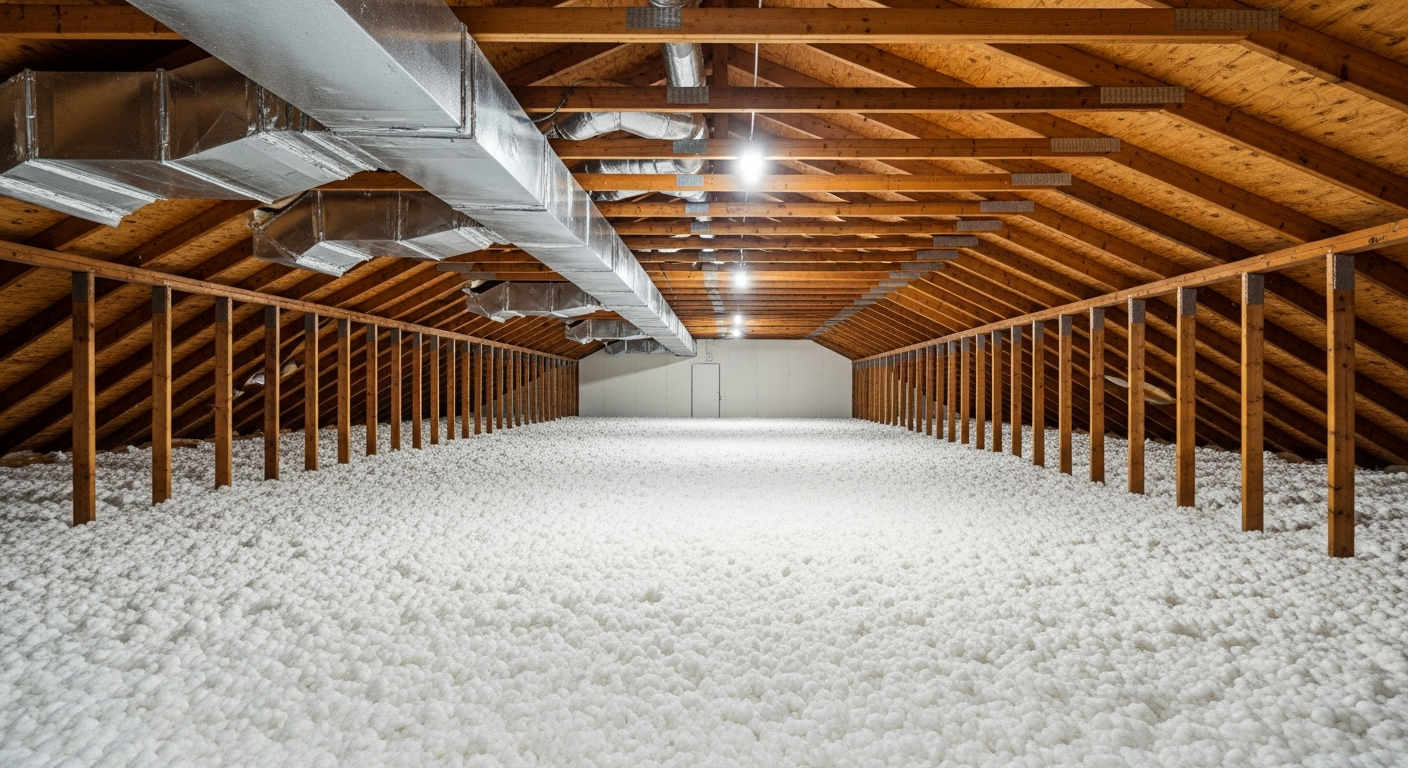
We work Greenbrier constantly, and the fix is well-practiced: air-seal the ceiling plane, seal and insulate around attic ductwork, then blow fresh fiberglass to modern R-values. Most homes finish in a day, and the before-and-after difference in a 1980s Greenbrier two-story is some of the most dramatic we see anywhere in the city.
We Know Greenbrier — Street by Street
Local landmarks aren't just trivia — they tell us what your attic is up against.
Chesapeake City Park
The subdivisions ringing the park and Jubilee grounds are prime 1970s–80s stock — original attic insulation is the rule, not the exception.
Greenbrier Mall Corridor
The neighborhoods behind the retail strip were built fast during the boom years — speed showed up in thin attic insulation that's now decades overdue.
Oak Grove Lake Park
Tree-shaded streets near the lake keep roofs cooler but attics more humid — ventilation and insulation need to work together here.
What Greenbrier Attics Are Up Against
Attic conditions vary between Chesapeake homes. In Greenbrier, we check insulation depth, coverage gaps, air leakage, and visible moisture before recommending work.
- Builder-grade 1970s–90s insulation installed thin and never upgraded
- Unsealed attic ductwork leaking conditioned air above the ceiling
- Two-story homes with hot upstairs rooms every summer
- Humidity settling into aging fiberglass under shaded tree canopy
- Recessed lighting retrofits that punched new air leaks into ceilings
Every job starts with a free attic inspection — we measure your current R-value, check ventilation and ductwork, and give you a straight answer on whether you need a top-up, a full removal and replacement, or nothing at all yet.
Upgrade to Pest Guard Attic Insulation™
For Greenbrier homeowners we also install Pest Guard Attic Insulation™ — premium fiberglass treated with borate, a naturally occurring mineral that deters roaches, ants, spiders, and silverfish for the life of the insulation.
Pest deterrent — borate repels crawling insects around the clock.
Energy savings — actual results vary by home, existing insulation, HVAC use, and project scope.
Lasting protection — borate doesn't evaporate or wash out.
Financing Options Available
Don't let upfront cost stand between your Greenbrier home and year-round comfort. Financing options are available for qualified homeowners. Current plans, rates, down-payment requirements, and approval criteria vary by project. Ask about payment terms and the amount financed before work begins.
Greenbrier Attic Insulation Questions
Why are our Greenbrier home's upstairs rooms always hotter than downstairs?
Thin attic insulation plus leaky attic ductwork — the standard Greenbrier combination. Attic heat radiates through the ceiling while ducts may lose cooled air before it reaches the registers. Addressing both may improve upstairs comfort; results and timing vary by home.
Not sure how much insulation you have up there right now? Book a free attic inspection
Our house was built in 1988 and we've never touched the attic. What are we likely to find?
Original fiberglass at roughly half its installed R-value, gaps around every penetration, and possibly duct leaks. That's the typical 1980s Greenbrier attic — and it's exactly the profile that benefits most from a one-day upgrade. The free inspection shows you photos of yours.
Want the detail on what we install and to what depth? See our attic insulation service
Does attic insulation help with cooling costs or just heating?
Both. Proper R-value may reduce summer heat transfer and winter heat loss. Actual utility impacts vary with existing insulation, air sealing, HVAC use, weather, and energy rates.
Budgeting the work? Check attic insulation pricing
Can you work around the ductwork in our attic?
Yes — it's routine in Greenbrier where most attics carry duct runs. We insulate carefully around and under ducts, seal accessible joints, and flag anything disconnected. Your system breathes easier when the attic around it is right.
Not sure how much insulation you have up there right now? Book a free attic inspection
What does an attic upgrade cost for a typical Greenbrier two-story?
It depends on square footage and existing conditions, so we quote from a free on-site inspection — no guessing, no pressure. Insulation may reduce energy use, but actual savings and any payback vary by home, scope, usage, and energy rates.
Want the detail on what we install and to what depth? See our attic insulation service
More Insulation Help Nearby
Attic insulation in other Chesapeake neighborhoods:
Recent Work in Chesapeake
Recent Attic Insulation Jobs Near Greenbrier
2 recent attic insulation projects completed in Chesapeake, serving homeowners across Chesapeake, including work near Great Bridge and Western Branch. Click any pin for the neighborhood and service details.
Showing 2 recent completed jobs · Click a pin to see service details
2 Most Recent Jobs
Old insulation removed and fresh blown-in fiberglass installed to full R-49 depth.
Old insulation removed and fresh blown-in fiberglass installed to full R-49 depth.