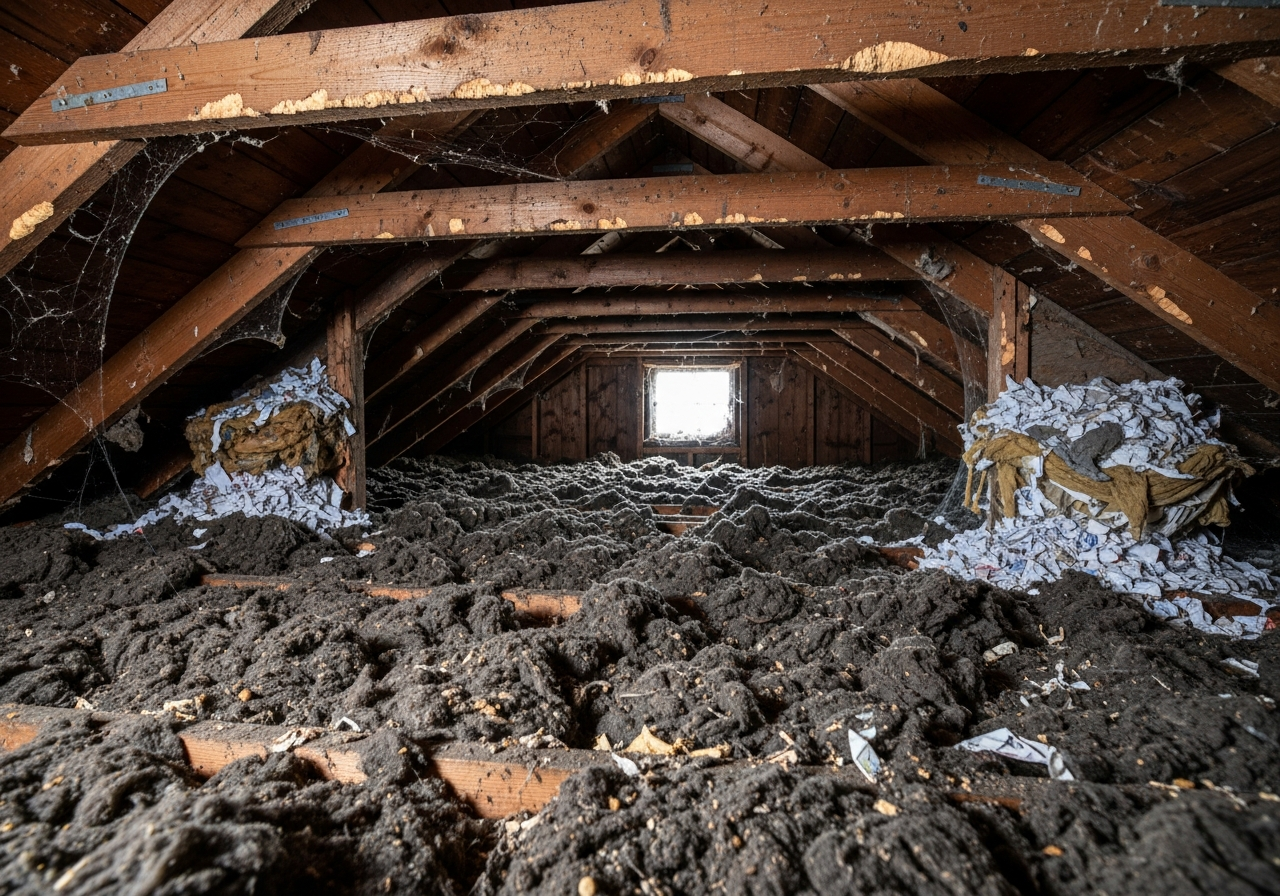
Hampton Roads Humidity Changes the Investigation
Coastal humidity, warm summers, and periods of heavy rain can increase the moisture load around a home. Moist indoor air can also reach cooler attic surfaces through ceiling bypasses. However, humidity should not be used as a blanket explanation for every stain or wet insulation area.
Location and timing matter. A stain after a storm, dampness around a bath fan, and condensation near ductwork point toward different inspections and trade boundaries.
Do Not Cover Wet Material With New Insulation
New insulation does not repair a roof, plumbing line, bath exhaust, equipment drain, or duct condensation problem. The active source should be corrected and the area allowed to dry before the insulation condition is reassessed. Wet, compressed, contaminated, or deteriorated material may then need a separate insulation removal and restoration scope.
Keep Every Specialty in Its Proper Scope
Universal Insulation Doctor documents accessible insulation, air leakage, and visible attic conditions. Active roof leaks, plumbing repairs, HVAC equipment, structural damage, and electrical defects belong to the appropriate licensed contractor. If visible duct conditions need separate evaluation, Universal Duct Cleaning can assess that duct scope independently.
Stains and damp insulation show where to investigate, not who should repair the source. The pattern, timing, and location help separate insulation work from roofing, plumbing, duct, and ventilation scopes.
Localized stain below roof
Roof flashing, penetrations, or storm damage should be evaluated by the appropriate roofing specialist.
Wet area near plumbing
Plumbing repair belongs before insulation removal, drying, and restoration.
Dampness near ducts or equipment
Condensation, damaged ducts, or equipment drainage may need a qualified HVAC or duct specialist.
Widespread seasonal condensation
Indoor air leakage, ventilation, insulation, and humidity should be considered together.