Late-summer sun puts a heavy load on the roof and attic. If the bedrooms upstairs stay warmer than the rest of the house, the air conditioner runs longer than expected, or you can see ceiling joists through old insulation, it is time to inspect the attic assembly—not simply turn the thermostat down.
A good attic evaluation looks at insulation depth and condition, air leaks, moisture, pest contamination, ventilation, and the home’s overall comfort pattern. One thin area can matter, but the visible insulation is only part of the story.
Comfort Clues Homeowners Notice First
Uneven temperatures are often the first sign. Upstairs rooms that become hot by afternoon, a hallway that is harder to cool than adjacent rooms, or persistent drafts in winter can all justify an attic inspection. High utility bills can have several causes, so insulation should be evaluated alongside HVAC performance and air leakage.
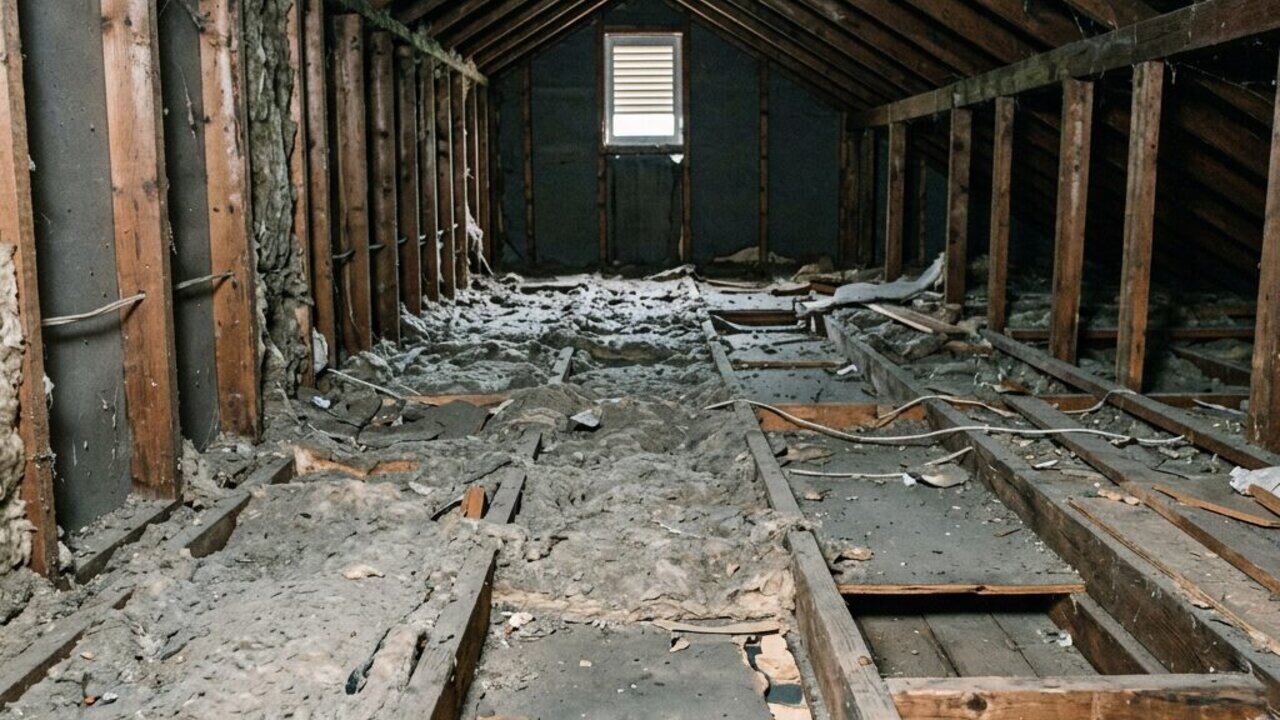
Look for material that is matted, damp, shifted away from eaves, or visibly contaminated. Insulation that has lost its loft or has been disturbed by pests may need removal rather than an additional layer.
- Ceiling joists visible above the insulation surface
- Hot or cold rooms that do not match the thermostat setting
- Insulation that is wet, flattened, dusty, or uneven
- Evidence of roof leaks, pest activity, or damaged ductwork
Top-Off or Removal: The Inspection Decides
Not all existing insulation needs to come out. Dry, clean material that still has good loft may be a candidate for an air-sealing and top-off plan. Material affected by moisture, rodent waste, mold-like growth, or a roof leak requires a more careful scope before new insulation is installed.
R-value recommendations vary by climate zone, assembly, and local requirements. Rather than promise a one-size-fits-all number, a contractor should measure the existing depth and explain the intended performance target for your attic.
Build an Attic Upgrade Around the Whole Assembly
Air leaks at ceiling penetrations, attic hatches, plumbing chases, and top plates can carry conditioned air into the attic. Addressing those pathways before adding insulation can improve comfort and help the new material perform more consistently.
If pest activity is active, trapping and exclusion are handled by the pest-control professionals at Universal Pest & Termite. Universal Insulation Doctor can evaluate the insulation cleanup, treatment, and replacement work after the source of the activity has been addressed.
What to Do Next
Book a complimentary attic-depth and thermal-efficiency evaluation for Norfolk or Virginia Beach. You can also request a free estimate for a written insulation recommendation.
Frequently Asked Questions
What R-value insulation is recommended for attics in Coastal Virginia?
Recommended attic R-value depends on the home's assembly, existing insulation, applicable energy code, and the current guidance for the local climate zone. A professional should measure the existing insulation and explain the proposed target rather than relying on a generic depth estimate.
How do I know if my existing attic insulation needs to be removed or topped off?
Dry, clean insulation with good loft may sometimes be topped off after air sealing, while wet, contaminated, pest-damaged, or heavily compressed insulation often needs a different scope. An attic inspection should document the condition before new material is installed.
What is the difference between blown-in fiberglass and cellulose insulation?
Blown-in fiberglass and cellulose differ in material, density, installation characteristics, and how they perform in a particular attic assembly. The right choice depends on the home's moisture conditions, air-sealing plan, budget, and the installer’s specified performance target.
How much can upgrading attic insulation lower my summer and winter electric bills?
Energy savings vary with insulation condition, air leakage, HVAC efficiency, thermostat settings, home size, and weather. An insulation upgrade can improve comfort and reduce heat flow, but a contractor should not promise a specific bill reduction without evaluating the whole home.
Can old attic insulation harbor pest droppings and airborne allergens?
Old insulation can be affected by pest activity, dust, moisture, and other contaminants, particularly when there is visible nesting or droppings. Active pest trapping and exclusion should be performed by a licensed pest-control provider, while the insulation condition and replacement scope are evaluated separately.