If upstairs and downstairs rooms in your Hampton Roads home stay at different temperatures, there may be more than one cause. Attic insulation and air leaks can affect heat flow through the ceiling, while duct delivery, HVAC operation, sunlight, and thermostat location can also make floors feel different. In Ocean View and Willoughby Spit (Norfolk, VA 23503), as elsewhere, the ZIP code alone cannot identify the cause.
Start with the pattern and check the right parts of the home before adding insulation. An attic assessment can confirm whether the ceiling assembly contributes; airflow and equipment questions belong with an HVAC or duct professional.
Common Reasons Temperatures Differ by Floor
The upper floor sits closer to the attic and roof, so uneven insulation or air leakage at the ceiling can affect its temperature. Air can also move through stairwells and gaps between floors, while the HVAC system and duct layout determine how much conditioned air reaches each room.
Sun exposure, window area, closed doors, return-air paths, and thermostat placement can add to the difference. A warmer or cooler room is a useful clue, but it does not prove that insulation is the only issue.
- One floor changes more than the other as the HVAC system runs
- Some rooms differ while nearby rooms stay comfortable
- Airflow at a register feels weaker in one room
- The attic has visible insulation gaps, thin coverage, or an unsealed hatch
Track the Pattern Before Choosing a Fix
For a few days, note which rooms feel different, the thermostat setting, the time of day, and whether the HVAC system is running. Compare rooms using the same thermometer, placed away from direct sunlight, windows, and supply registers.
Also note whether the difference follows sun exposure, a closed door, or a particular heating or cooling cycle. These observations help an attic, HVAC, or duct professional focus the inspection without treating a single reading as a diagnosis.
What an Attic Inspection Can Confirm
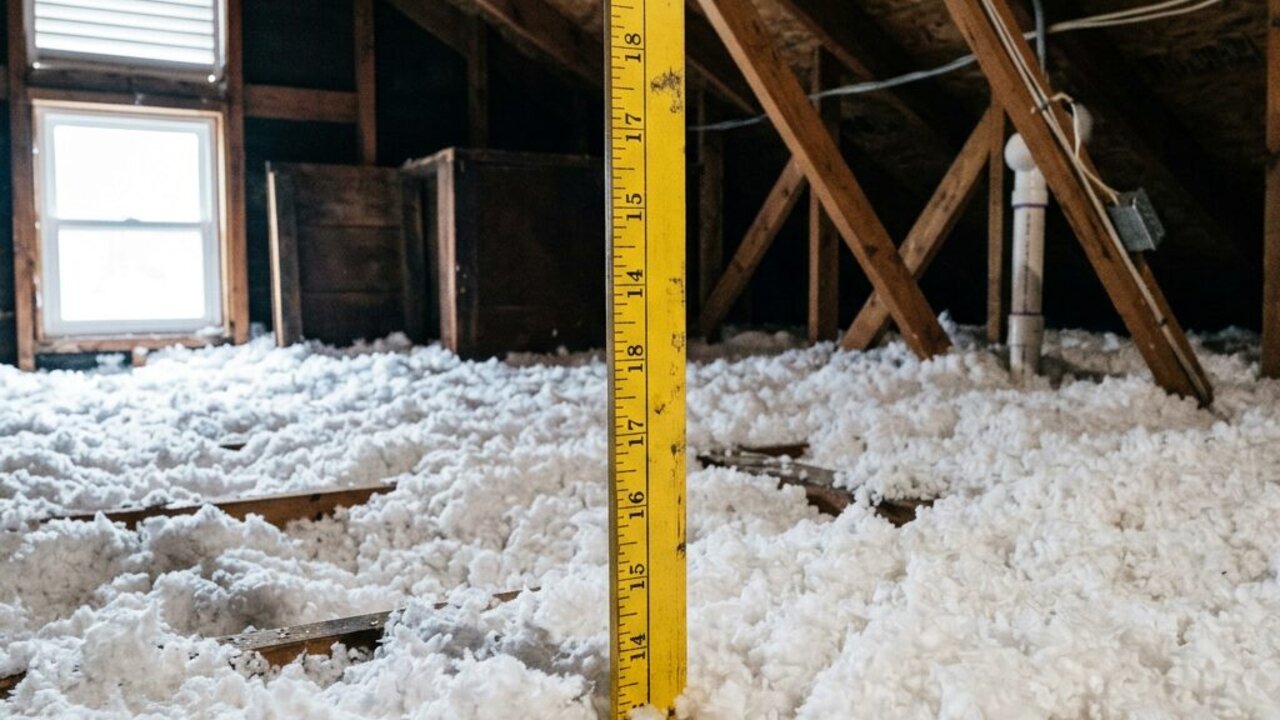
An insulation professional can check insulation depth and coverage, compressed or displaced material, the attic hatch, and accessible air-sealing opportunities. Those findings can show whether the attic floor may be contributing to heat transfer between the attic and living space.
An attic check does not diagnose HVAC capacity, refrigerant, thermostat faults, or duct balance. If airflow is weak or the equipment is not maintaining its setting, have a qualified HVAC or duct professional evaluate those systems.
Match the Repair to the Cause
If the inspection finds uneven insulation or accessible air leaks, the recommendation may include air sealing, insulation work, or both. If the main issue is duct leakage, restricted airflow, or equipment performance, adding insulation alone will not correct it.
Ask for a written scope that separates insulation from HVAC, duct, electrical, and other work. It should explain what was observed, what the proposed work is expected to address, and which questions require another trade.
Plan the Next Step
If you are in Ocean View or Willoughby Spit (Norfolk, VA 23503), start with our Norfolk service area and learn about attic insulation. For an attic-specific assessment, request a free estimate.
Frequently Asked Questions
Why are upstairs and downstairs temperatures different?
Uneven insulation or air leaks, air movement between floors, duct layout and airflow, sunlight, room use, and thermostat location can all contribute. An inspection should distinguish among them before work is recommended.
Can attic insulation even out temperatures between floors?
It may help when uneven or inadequate attic insulation or accessible air leaks contribute to heat transfer. It will not correct a duct, HVAC, thermostat, or room-airflow problem by itself.
How can I tell whether the problem is insulation or HVAC?
An attic inspection can document insulation coverage and accessible air-sealing conditions. Weak airflow, equipment concerns, or duct imbalance should be evaluated by a qualified HVAC or duct professional.
What should I track before an inspection?
Note which rooms differ, the thermostat setting, HVAC run times, time of day, sunlight, and whether doors are open or closed. Compare rooms with the same thermometer away from windows and registers.