

Rodents in Your Attic: Signs, Risks, and What to Do in Hampton Roads
July 4, 2026
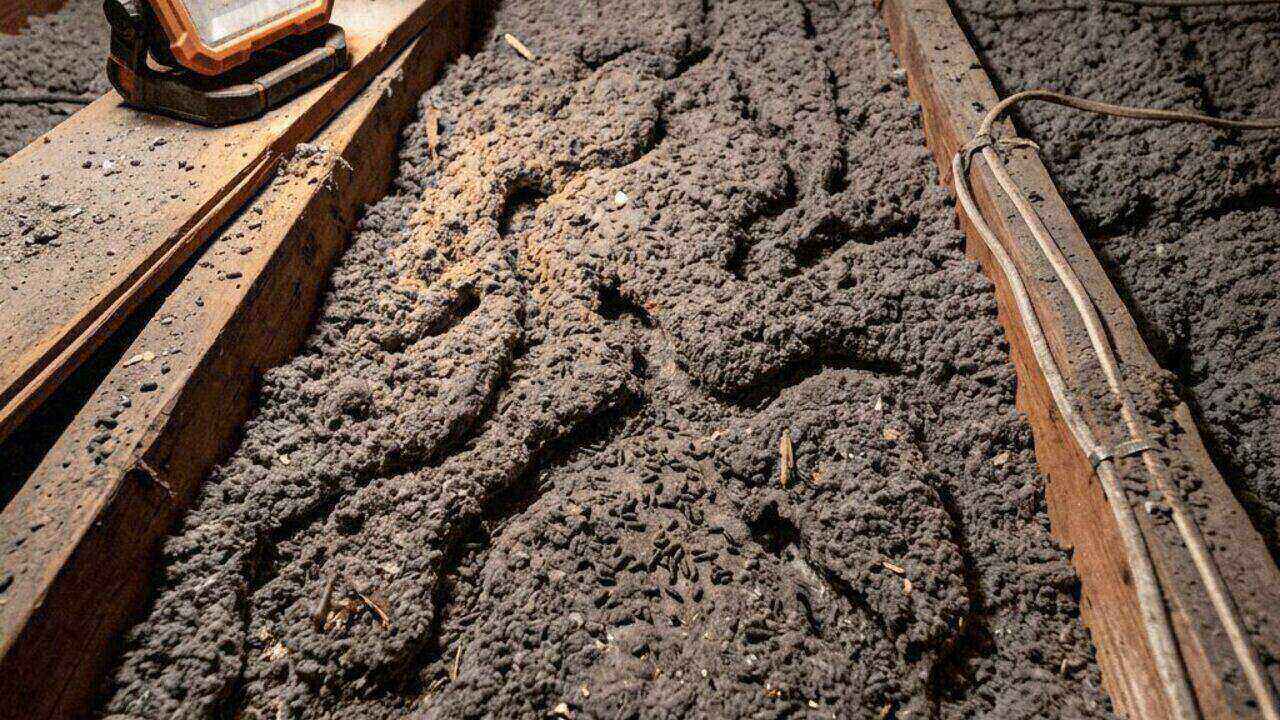
Attics are one of the most common points of rodent entry in Hampton Roads homes. The combination of mature tree canopy providing roofline access, older construction with gaps at soffits and fascia, and the warm, undisturbed environment that an attic provides creates near-ideal nesting conditions for mice and rats year-round. Once rodents establish themselves in an attic, the damage compounds quickly — and the health risks that come with contaminated insulation and disturbed droppings are serious enough that the CDC and EPA have issued specific guidance on how to handle them.
This guide covers what signs to look for, why the health risks are more significant than most homeowners realize, and what a proper remediation sequence looks like in Virginia Beach, Chesapeake, Norfolk, and Portsmouth homes.
Signs That Rodents Are in Your Attic
Rodent infestations in attics frequently go undetected for weeks or months before homeowners notice anything. By the time you're aware of the problem, nesting is often well established. The most reliable signs include:
Scratching, scurrying, or rustling sounds at night.Rodents are nocturnal. Movement sounds — especially sounds that travel from one point to another — heard after dark in ceiling spaces are a strong indicator of active infestation.
Ammonia-like or musty odors.Rodent urine has a sharp ammonia smell. When it saturates insulation, the odor can travel downward through the stack effect and become detectable in living areas or through HVAC registers.
Droppings near the attic hatch or along attic joists.Mouse droppings are roughly rice-grain sized and dark. Rat droppings are larger — about the size of a raisin. Finding them anywhere near your attic access point is definitive evidence.
Disturbed, tunneled, or flattened insulation.Rodents nest by compressing and shredding insulation material. Areas that look torn apart, matted down, or tunneled through are nesting sites.
Gnaw marks on wood, wiring, or ductwork.Rodents must constantly gnaw to keep their teeth worn down. Chewed wood joists, frayed wiring insulation, and punctured duct material are all indicators of rodent activity.
Entry points identified by a pest inspector.If a pest professional has confirmed and sealed entry points at your roofline, the insulation inside the attic should be considered contaminated regardless of visible damage.
The Health Risk Is Serious — Especially in Enclosed Attic Spaces
⚠ Hantavirus Warning
The CDC identifies hantavirus as a serious risk associated with rodent droppings, urine, and nesting material in enclosed spaces like attics. Hantavirus Pulmonary Syndrome (HPS) is transmitted by breathing in airborne particles — dust disturbed from dried rodent droppings or urine — not by direct contact with a rodent. Confirmed HPS cases carry an approximate mortality rate of38%. Hampton Roads homeowners should not disturb attic insulation suspected of rodent contamination without proper respiratory protection. Professional removal with HEPA equipment is the safe approach.See CDC guidance on hantavirus prevention.
Rodent droppings and urine also carry leptospirosis, salmonella, and lymphocytic choriomeningitis (LCM). The attic's role as a source of air that enters your living space through the stack effect makes contaminated attic insulation a direct pathway for these pathogens to reach your family. Even attic insulation that appears intact can harbor invisible urine contamination throughout a wide radius from any visible nesting site.
Why Partial Removal Is Not Sufficient
A common mistake after a rodent infestation is confirmed is to remove only the visibly damaged sections of insulation — the areas with obvious nesting, droppings, or flattening — and leave the rest in place. This approach is inadequate for several reasons.
Urine soaks into fiberglass insulation across a much larger area than any visible nesting site and leaves no visible trace once dried. You cannot reliably identify every contaminated zone by sight. Partial removal guarantees that contaminated material remains in the attic.
Insulation that has been compressed by nesting activity has permanently lost thermal value. Fiberglass derives its R-value from the air trapped in its structure; once compressed, that value cannot be restored. Patching around damaged areas doesn't fix the compromised sections.
Full attic remediation — complete removal, HEPA vacuuming of the attic deck, antimicrobial treatment, entry point sealing, and full re-insulation — is the only approach that resolves both the health and efficiency problems simultaneously. Universal Insulation Doctor'sinsulation removal serviceincludes every step in this sequence.
Rodent Control First — Then Insulation
Installing new insulation before the active rodent infestation is resolved is a waste of money. Entry points must be sealed and the infestation eliminated before re-insulation begins. For Hampton Roads homeowners dealing with an active infestation, Universal Insulation Doctor coordinates directly with our sister company, Universal Pest & Termite, who specialize inrodent control throughout Hampton Roads. Their team handles exclusion — identifying and sealing every entry point — and elimination, so that when we install new insulation, it goes into a properly sealed, rodent-free attic.
If your crawl space was also affected, Universal Pest'scrawl space cleaning serviceaddresses rodent contamination below the floor as well, which is often part of the same infestation pathway.
Pest Guard Insulation™: The Right Replacement
After contaminated insulation is removed and the attic is sanitized, Universal Insulation Doctor can installPest Guard Insulation™, a borate-treated fiberglass option described as intended to deter certain insects. Ask for the current product label to confirm listed insects, approved use, and treatment duration. It is not a rodent deterrent or a replacement for pest control.
Frequently Asked Questions
How do I know if my attic insulation needs to be fully replaced after a rodent infestation?
If a pest inspector has confirmed active or past rodent activity in your attic — through droppings, entry point evidence, or visual nesting — the safest and most complete approach is full replacement. Rodent urine contaminates insulation across a wide radius from any nesting site and leaves no visible trace once dried. Spot-removal cannot reliably capture the full extent of contamination. Universal Insulation Doctor's free attic inspection will assess your specific situation and give you a written estimate.
Still finding droppings after the traps went quiet? Book a free attic inspection
Is it safe to go into the attic myself if I think rodents have been there?
It is not recommended. The CDC warns that hantavirus — a potentially fatal respiratory illness — is transmitted by breathing in airborne particles from dried rodent droppings and urine. Entering an attic with suspected rodent contamination without proper N95 or P100 respiratory protection and protective clothing puts you at genuine risk. Professional removal crews use HEPA equipment specifically designed to contain airborne particles during extraction. The safest course is a professional inspection before you enter the space.
Want to see how contaminated material actually comes out? How insulation removal works
How much does attic insulation removal and replacement cost after a rodent infestation in Hampton Roads?
Total project cost depends on attic size, the depth and extent of contamination, and whether ductwork also needs attention. Most Hampton Roads homes fall in the range of$2,500 to $5,500for complete removal, antimicrobial treatment, and re-insulation to R-38 or R-49. Homes that also require duct cleaning will see additional cost. Universal Insulation Doctor provides a free, no-obligation written estimate after inspection — call(757) 962-0340to schedule.
Wondering what Pest Guard adds on the reinstall? About Pest Guard Insulation™
Schedule Your Free Attic Inspection
Universal Insulation Doctor serves Virginia Beach, Chesapeake, Norfolk, and Portsmouth. Our team will assess rodent contamination, measure insulation performance, and provide a written remediation estimate — at no cost and no obligation.
Ready for a Free Estimate?
Universal Insulation Doctor serves all of Hampton Roads. Call now or fill out our quick form — we'll get back to you same day.
Have a Question?
Can't find the answer you're looking for? Our team is always happy to help. Give us a call or fill out the form for a free no-obligation consultation.
(757) 962-0340