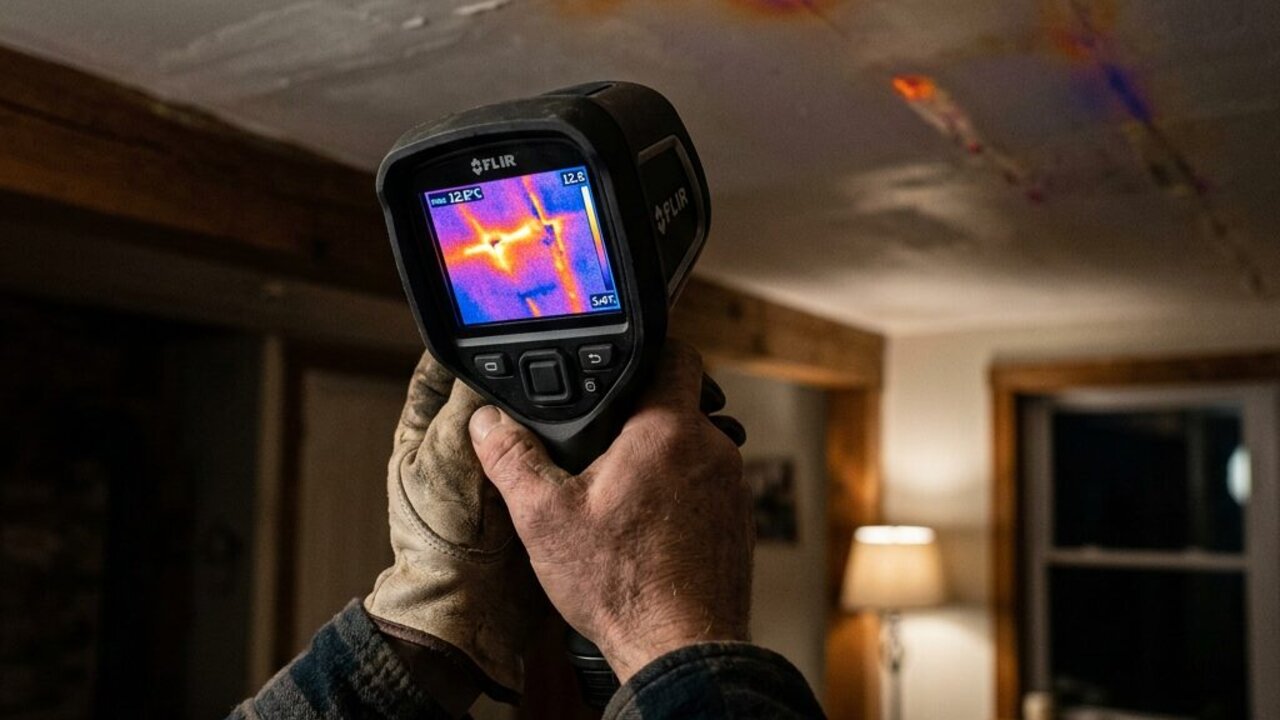
Winter drafts often begin as late-summer clues: upstairs rooms that overheat, attic insulation that has settled, a crawl space that smells damp, or an attic hatch that leaks conditioned air. Addressing those conditions before cold weather can make the work easier to schedule and give you time to verify the result.
The best winterization plan is specific to the home. It should target the places where air and heat are actually moving, not rely on a generic promise that any one insulation upgrade will solve every comfort complaint.
Where Winter Comfort Is Commonly Lost
Warm air can move through gaps around plumbing penetrations, wiring, attic hatches, recessed fixtures, and unsealed chases. In a two-story home, that air movement can be noticeable at upper levels while cooler replacement air is drawn in lower in the house.
Crawl spaces can also contribute to cold floors when insulation is damaged, air pathways are open, or ground moisture affects the assembly. An inspection helps distinguish a subfloor-insulation issue from duct, foundation, or floor-covering issues.
- An attic hatch without a good seal or insulation cover
- Visible gaps or disturbed insulation around ceiling penetrations
- Sagging crawl-space batts or exposed floor framing
- Rooms that are drafty despite normal thermostat operation
Prioritize Air Sealing Before Adding Material
Insulation slows heat flow; it does not stop air from moving through an open gap. Where accessible and appropriate, sealing major bypasses before adding insulation can improve the consistency of the attic upgrade.
The proposed materials and sequence should account for moisture, wiring clearances, and safe access. If the attic has a roof leak or the crawl space has active water problems, those conditions should be addressed before burying them under new insulation.
Treat Rebate and Tax-Credit Claims Carefully
Utility incentives and federal tax-credit programs can change, and eligibility can depend on the product, installation date, taxpayer circumstances, and documentation. Check current program details with the relevant utility, official government source, or tax professional before assuming a project qualifies.
A good contractor can provide product and scope information for your records, but cannot guarantee that a homeowner will receive a rebate or tax credit.
What to Do Next
Claim an early-fall home efficiency and insulation inspection through our free estimate page. Explore attic and crawl-space services in Virginia Beach and Chesapeake.
Frequently Asked Questions
When is the best time of year to replace attic and crawl space insulation in Virginia?
Insulation work can be completed throughout the year when site conditions are safe and dry enough for the planned scope. Late summer and early fall can be convenient for identifying comfort issues before winter, but the best timing depends on moisture conditions, project readiness, and contractor availability.
Why are my floors freezing cold in the winter even when the heat is set high?
Cold floors can be related to crawl-space insulation, air leaks, moisture, ductwork, floor construction, and HVAC performance. An inspection can identify which factors are present; a thermostat setting alone cannot diagnose the cause.
How does air sealing rim joists stop cold air drafts in a two-story home?
Air sealing accessible gaps near rim areas and other bypasses can reduce uncontrolled air movement between the house and unconditioned spaces. The right details depend on the framing, moisture conditions, and access, and air sealing should be planned with insulation rather than treated as an isolated fix.
What rebates or tax credits are available for insulation in Virginia?
Rebates and tax credits change over time and eligibility may depend on the product, installation date, documentation, household circumstances, and program rules. Verify current options through official utility, government, and tax-adviser sources before making a purchase decision based on an incentive.
How quickly does new insulation pay for itself in heating and cooling savings?
Payback varies with the existing insulation condition, air leakage, energy prices, HVAC performance, weather, and the project scope. Insulation may improve comfort and reduce heat flow, but a specific payback period should not be promised without a home-specific analysis.