Older homes in Olde Towne Portsmouth, Ghent, and Hilton Village often have details newer homes do not: irregular framing, crawl spaces with limited access, knee walls, plaster finishes, and assemblies that need to dry in a particular direction. Those details are part of the home’s character—and part of the insulation plan.
The goal is not to fill every cavity with a generic product. It is to understand air movement, moisture, and the condition of the existing building materials before adding insulation or sealing paths that have been open for decades.
Why Older Coastal Homes Feel Hard to Condition
Drafts can enter at attic bypasses, uninsulated floors, rim areas, open chases, and around additions. In a historic home, rooms may also have different exposure, framing, and retrofit history, so one cold floor or hot bedroom does not identify the entire cause.
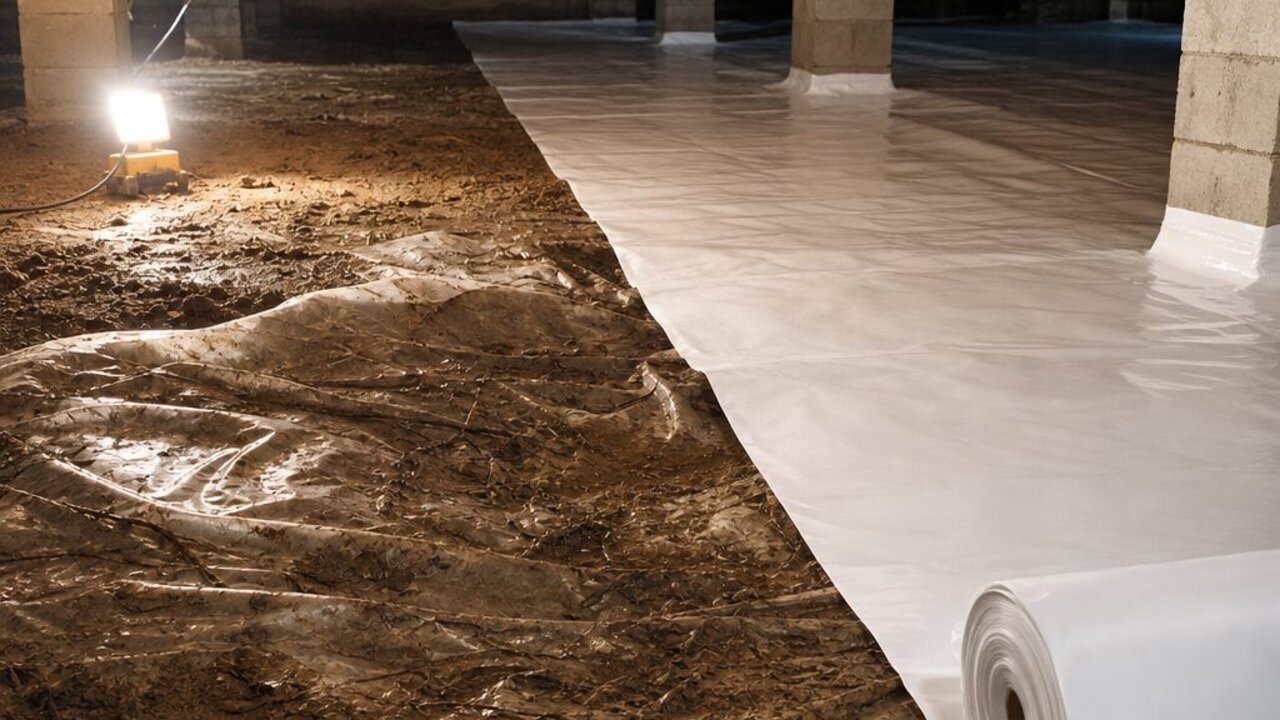
Crawl-space moisture is particularly important near the coast. A damp crawl space can affect floor insulation, wood framing, indoor odor, and comfort. The work should begin with drainage, ground moisture, and ventilation conditions—not just a quote to replace batts.
Use Materials That Respect the Assembly
Adding insulation changes how heat and moisture move through a building. A careful contractor checks for roof leaks, wet framing, damaged plaster, and other issues before covering or sealing the area. In some homes, targeted air sealing and attic-floor insulation make more sense than altering historic wall assemblies.
Special details such as brick pier foundations, sloped ceilings, and low crawl spaces may limit the work that is practical. A good scope states those limits rather than promising a complete retrofit where access or preservation concerns make it unsuitable.
Start with the Highest-Value Areas
For many older Hampton Roads homes, the attic floor, accessible air leaks, crawl-space ground cover, and subfloor insulation provide useful starting points. The best sequence depends on the inspection findings and should avoid trapping existing moisture in framing or finishes.
If you own a designated historic property or are planning exterior changes, check the applicable local review requirements before starting work. Insulation contractors can explain the proposed scope, but homeowners and their design professionals should confirm preservation obligations.
What to Do Next
Schedule a specialized historic-home efficiency consultation for Portsmouth, Norfolk, or Newport News through our free estimate page.
Frequently Asked Questions
Can you add modern insulation to a 100-year-old home without causing wood rot?
Modern insulation can be added to an older home, but the work should account for existing moisture, air flow, roof condition, and how the original assembly dries. A targeted inspection is important because sealing or insulating a wet or poorly detailed area can create new problems rather than solve comfort issues.
How do you insulate knee walls and sloped ceilings in Cape Cod style historic homes?
Knee walls and sloped ceilings require attention to air sealing, insulation continuity, ventilation details, and safe access around wiring and finishes. The correct approach depends on the framing and condition behind the surfaces, so it should be scoped after inspection rather than assumed from the room layout.
Why are older homes in Portsmouth and Norfolk so hard to keep cool and warm?
Older homes may have irregular framing, uninsulated attics or floors, open air pathways, moisture issues, and room-by-room differences from past additions. These conditions can make comfort uneven, but an inspection is needed to identify which improvements will matter most in a specific home.
What type of insulation is safest for plaster and lath walls?
The safest wall-insulation approach depends on the wall’s condition, moisture exposure, wiring, finishes, and historic value. Homeowners should avoid assuming that any one product is right for every plaster-and-lath wall and should use an experienced professional to assess the assembly first.
Will insulating an older home cause interior moisture condensation issues?
Insulation can change surface temperatures and air movement, so details matter in older homes. Proper planning addresses existing leaks, moisture pathways, ventilation, and the material sequence; no contractor should guarantee that a single insulation step will solve every condensation concern without evaluating the home.