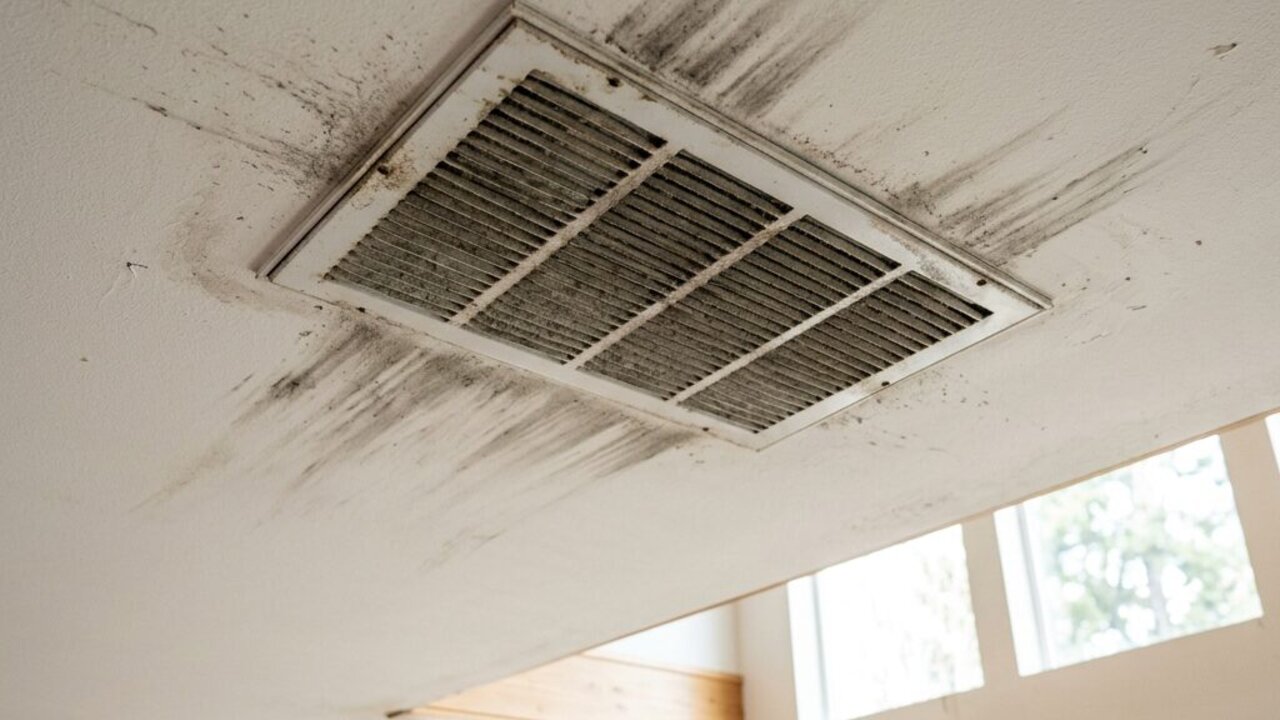
A musty smell on the first floor, recurring humidity, or a crawl space with wet insulation can make a home feel less comfortable. Those symptoms can also raise questions about indoor air quality—but a crawl-space condition is not a medical diagnosis, and a smell alone does not identify what is in the air.
The practical approach is to inspect the crawl space, identify moisture and air pathways, address damaged materials, and involve the right professional when testing or health concerns are needed.
How Crawl Space Conditions Can Reach the Home
Air moves through a home because of pressure differences, weather, HVAC operation, and openings in the building enclosure. If there are gaps around plumbing, ductwork, or the floor system, crawl-space odors and humidity can find pathways into occupied rooms.
That does not mean a fixed percentage of the air in every home comes from the crawl space. The amount of air movement is specific to the building and should be assessed by examining the actual leakage and moisture conditions.
Fix the Conditions You Can See
A crawl-space inspection can document wet or sagging insulation, exposed soil, standing water, damaged vapor barriers, visible staining, duct condensation, and access gaps. Those conditions guide a scope for moisture control, insulation removal or replacement, and air-sealing improvements.
If there is active pest activity, Universal Pest & Termite handles trapping and exclusion. If duct cleaning or ductwork service is needed, Universal Duct Cleaning handles that work. Universal Insulation Doctor focuses on insulation and crawl-space condition improvements.
Know When to Bring in Other Experts
Families with asthma, severe allergies, unexplained symptoms, or concern about a specific exposure should seek guidance from a qualified healthcare professional. If laboratory testing or specialized mold assessment is warranted, choose a qualified independent provider and discuss the purpose of the test before paying for it.
A crawl-space improvement can reduce moisture and odor sources, but it should not be marketed as a treatment for allergies or asthma. Clear boundaries help homeowners make better decisions.
What to Do Next
Request an indoor-air and crawl-space condition assessment for Virginia Beach or Norfolk through our free estimate form.
Frequently Asked Questions
How does crawl space condition affect the air quality inside my home?
Crawl-space moisture, odors, and airborne particles can move toward living areas through gaps in the floor system, ductwork, and other openings. The amount of movement varies by home, so an inspection should identify actual moisture conditions and air pathways rather than assume a fixed percentage.
Can mold in the crawl space make my family sick or trigger asthma?
Health effects and symptoms should be discussed with a qualified healthcare professional, especially for people with asthma or severe allergies. A crawl-space inspection can identify moisture and material conditions that need repair, but it cannot diagnose illness or guarantee a health outcome.
What is the stack effect and how does it draw dirty air into living rooms?
Stack effect describes air movement caused by temperature and pressure differences between the lower and upper parts of a building. Openings in the floor, walls, and attic can allow air to move between a crawl space and living areas, but the pattern and amount of movement differ by home and weather conditions.
Will encapsulating my crawl space get rid of musty smells in my house?
Encapsulation and moisture-control work can reduce ground moisture and odor sources when they are properly matched to the cause of the problem. Musty smells can also come from leaks, HVAC components, finishes, or other areas, so a contractor should identify the source before promising a result.
How do I test the humidity and air quality coming from under my home?
A crawl-space inspection can include humidity readings and a visual review of water, insulation, framing, and air pathways. If you need testing for a specific contaminant or a health-related concern, discuss the purpose and limits of testing with a qualified independent professional or healthcare provider.