
Is fiberglass or cellulose better for Coastal Virginia?
Neither is universally best. The appropriate material depends on the attic assembly, moisture conditions, existing insulation, target performance, access, and installation details.

A+ BBB Rated Universal Insulation Doctor
Accredited business for Insulation Guidance across Hampton Roads
September 27, 2026
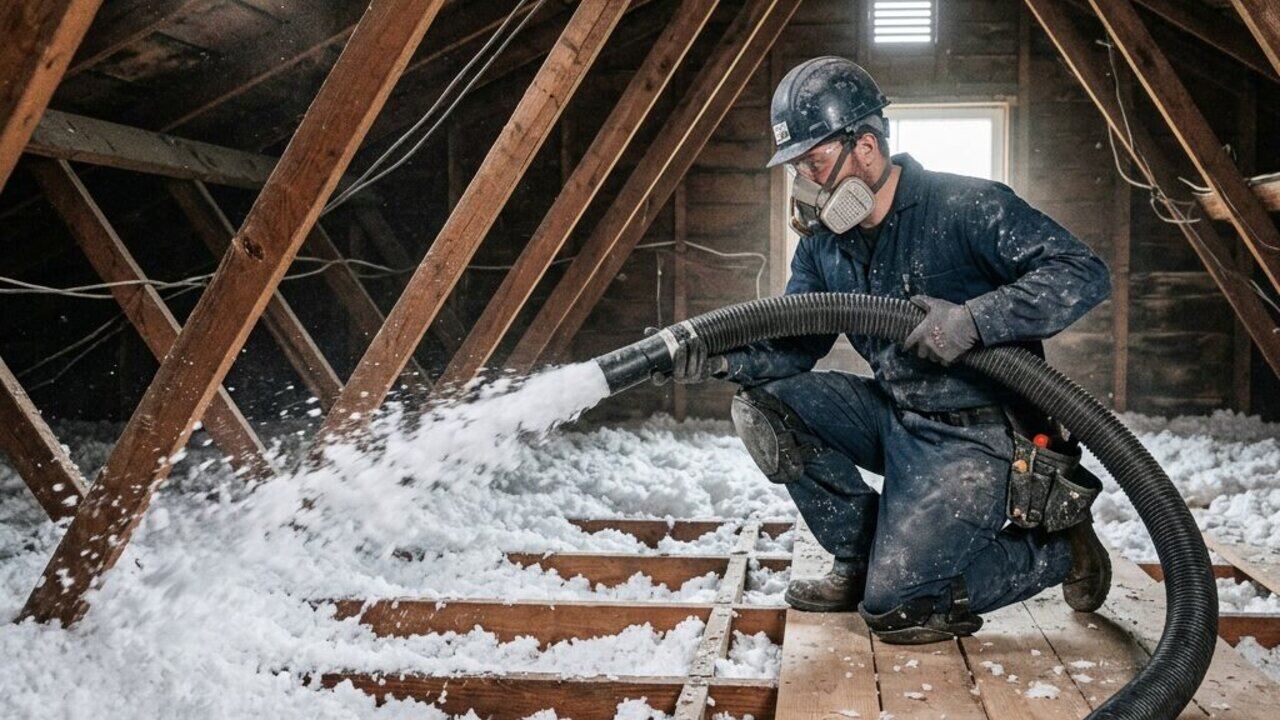
Both blown-in fiberglass and cellulose can be part of a well-designed attic insulation project in Coastal Virginia. The better choice depends on the assembly, existing material, access, air-sealing plan, and the performance target—not a universal claim that one material wins in every home.
A useful comparison begins with what each product is specified to do in the particular attic and how the installer will verify coverage and depth.
Blown-in fiberglass is made from glass fibers and is installed to a specified depth and coverage pattern. Cellulose is a processed fiber product, commonly made primarily from recycled paper, and is also installed to a specified density and depth. Both require careful installation around penetrations and attic edges.
The label on a bag is not the finished R-value. Installed depth, settled density, obstructions, and gaps affect the result, so retain the product documentation and installation record.
Neither material should be selected on a blanket statement that it is always better in a humid coastal climate. A roof leak, plumbing leak, condensation, or inadequate ventilation can affect either insulation type. Find and address the moisture source before covering it.
Ask how the proposal handles roof penetrations, bathroom exhaust termination, attic ventilation, and areas where insulation must stay clear of heat-producing fixtures. Insulation is not a substitute for roof, plumbing, or electrical repair.
A fair proposal states the existing condition, air-sealing scope, target depth, material, coverage approach, and cleanup responsibilities. It should also explain whether sound existing insulation stays in place or is removed.
If pest contamination is present, Universal Pest & Termite handles pest control and exclusion. Insulation cleanup and replacement should be scoped separately, with any sanitation or restoration limitations explained in writing.
Request the manufacturer’s coverage chart for the intended depth and ask how the crew will check depth across the attic. Confirm how the crew protects recessed fixtures, access paths, and ventilation channels.
Also compare warranty terms and exclusions without treating them as a guarantee of energy savings. A careful installation plan is more meaningful than a broad product superiority claim.
Compare your attic conditions with a professional recommendation through our free-estimate form, or review Norfolk attic insulation services.
Neither is universally best. The appropriate material depends on the attic assembly, moisture conditions, existing insulation, target performance, access, and installation details.
Cellulose can be affected by moisture, as can surrounding building materials. A leak or condensation source should be corrected and the material condition assessed rather than assuming any insulation is unaffected.
Installed depth can change depending on product, density, installation, and time. The installer should use the manufacturer’s coverage guidance and document the installed depth.
Sometimes, if existing material is dry, clean, accessible, and in suitable condition. Contamination, moisture, damage, or obstructions may call for removal or a different scope.
Universal Insulation Doctor serves all of Hampton Roads. Call now or fill out our quick form — we'll get back to you same day.
Can't find the answer you're looking for? Our team is always happy to help. Give us a call or fill out the form for a free no-obligation consultation.
(757) 962-0340