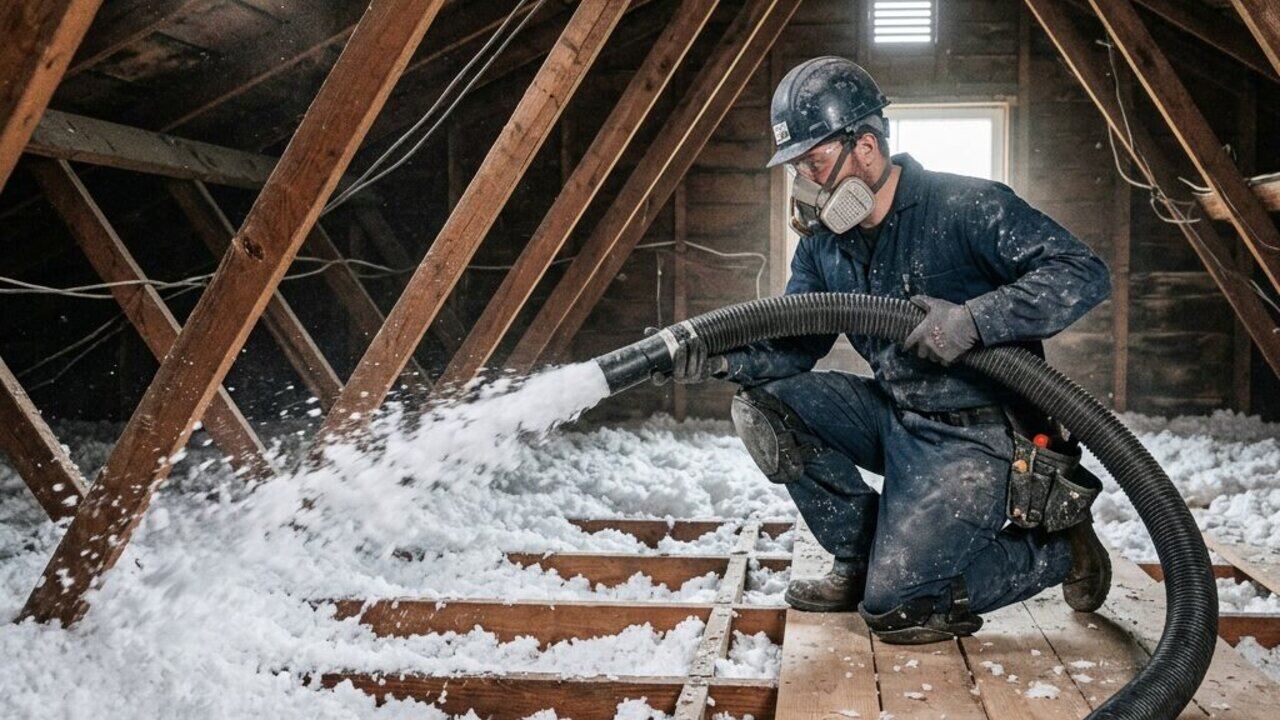
Searching for thebest insulation companies near meusually means you are trying to answer a more useful question: which contractor will inspect the actual problem, explain the work clearly, and leave the home with an insulation system that performs as promised? A homeowner in Kempsville (Virginia Beach, VA 23464), for example, may receive several estimates that use the same words—R-value, air sealing, blown-in insulation—but include very different scopes of work.
The best choice is not automatically the company with the lowest price or the most polished advertisement. Compare the inspection, the written scope, the materials, the crew's plan for existing insulation, and the way the contractor documents the finished work. This checklist is designed for homeowners across Virginia Beach, Chesapeake, Norfolk, Portsmouth, Hampton, Newport News, Suffolk, Williamsburg, and nearby Hampton Roads communities.
What to Look for in a Hampton Roads Insulation Contractor
Before comparing prices, look for these five basics in every proposal:
- A real inspection:the contractor measures and photographs the attic or crawl space instead of estimating only from living-area square footage.
- A written scope:the proposal names the work areas, material, installed depth, target R-value, preparation, and exclusions.
- A plan for existing conditions:wet, compressed, pest-damaged, or contaminated insulation is evaluated rather than automatically covered.
- Air-sealing and ventilation details:the estimate explains whether penetrations will be sealed and how soffit vents, baffles, equipment, and access paths will be protected.
- Proof of the finished work:cleanup, photos, depth verification, product information, and warranty terms are explained before installation begins.
Why Local Hampton Roads Conditions Matter
A contractor should account for the conditions around the home, not just the insulation material. Coastal humidity, summer attic heat, heavy rain, high water tables, drainage problems, and flood exposure can affect attics and crawl spaces in different ways. Rodent and insect pressure can also change whether existing insulation is suitable for a top-off or needs a separate removal and sanitation plan.
A Great Bridge crawl space, a Kempsville attic, a Ghent bungalow, and a Poquoson home may need different diagnostic questions even though they are all in Hampton Roads. Ask the contractor what local condition was found, how it changes the scope, and what needs to be corrected before new insulation is installed.
1. Start With a Real Inspection, Not a Guess
A responsible insulation estimate should begin with the attic, crawl space, or other area being discussed—not with a standard price based only on the home's square footage. The contractor should look at existing insulation depth and condition, access, air leakage, ventilation, moisture signs, ductwork, wiring clearances, and any pest or contamination concerns that could change the scope.
Ask what was measured and what was found. A useful proposal should explain why the recommended work is needed, not just list a product and a total price. If a company cannot explain the starting condition, it is difficult to compare its estimate with another contractor's proposal.
2. Compare the Written Scope Line by Line
Two companies can quote the same type of insulation while offering very different projects. Before comparing totals, check whether each proposal identifies:
- The areas being insulated and the approximate measured square footage.
- The product, installed depth, and target R-value.
- Whether air sealing is included, and which penetrations will be addressed.
- Whether soffit vents, attic baffles, access paths, and equipment clearances are protected.
- Whether old insulation is left in place, moved, or removed and disposed of.
- How cleanup, photos, depth markers, and final documentation are handled.
A proposal that says only “install attic insulation” leaves too much room for misunderstanding. The best insulation companies make the finished condition clear before work begins.
3. Ask Which Material Fits Your Home
There is no single insulation material that is best for every part of every house. Blown-in fiberglass, cellulose, fiberglass batts, spray foam, crawl-space insulation, and encapsulation solve different problems. The recommendation should account for the location, moisture exposure, access, existing materials, ventilation design, and the result you want from the project.
In a humid coastal market such as Hampton Roads, ask how the proposed material behaves if the attic or crawl space has a history of condensation or leaks. Material choice cannot compensate for an active roof leak, plumbing leak, drainage problem, or blocked ventilation. The contractor should identify those conditions instead of covering them with new insulation.
If pest resistance is part of your goal, ask exactly what product is being installed and what the treatment does. Universal Insulation Doctor'sPest Guard attic insulationis a borate-treated blown-in fiberglass option. It is an insulation product with pest deterrence; it does not replace trapping, exclusion, or entry-point sealing by a licensed pest-control company.
4. Find Out What Happens to Old or Damaged Insulation
Adding new insulation over clean, dry, stable material may be appropriate in some homes. It is a different project when the existing insulation is wet, compressed, pest-damaged, contaminated, or affected by a strong odor. Ask the contractor to explain the decision rather than assuming that every attic needs a full removal.
If removal is recommended, the estimate should identify containment, protective equipment, vacuuming or removal methods, disposal, cleaning or sanitation where applicable, and the steps required before replacement. New insulation should not be presented as a cure for an unresolved moisture or pest problem. Review the separateinsulation removal servicescope when an existing material needs to come out first.
If an inspection finds rodent activity, entry-point problems, or contaminated ductwork, ask how the work will be coordinated. Insulation installation and removal should remain clearly separated from trapping, exclusion, and duct cleaning, which should be handled by the appropriately licensed trade. A coordinated handoff can keep the homeowner from repeating the inspection and opening the attic multiple times.
5. Verify Air Sealing and Ventilation Are Part of the Plan
Insulation slows heat flow, but it does not automatically stop air movement through gaps around plumbing, wiring, top plates, chimneys, recessed lights, attic hatches, and other penetrations. Ask whether air sealing is included or priced separately. Otherwise, two estimates may appear comparable even though one includes substantial preparation work and the other does not.
Ventilation also needs to be discussed. New insulation should not block required soffit or other attic airflow paths, and equipment and service areas should remain accessible. A finished attic should have continuous coverage in the included areas while still preserving safe clearances and future access.
6. Read Reviews for Specific Evidence
Reviews are more useful when they describe the actual project. Look for details about the inspection, communication, punctuality, cleanup, explanation of the scope, and whether the finished work matched the estimate. A large review count alone does not tell you whether a company handles attic replacement, crawl-space moisture, or contaminated-insulation removal well.
Also check whether the business has a real local presence, a reachable phone number, clear service areas, and a process for handling questions after installation. Ask for references or recent project photos when the scope is large or involves removal and replacement.
7. Compare the Estimate, Not Just the Price
The lowest number may omit removal, air sealing, access preparation, ventilation protection, cleanup, or documentation. The highest number may include work your home does not need. Compare the included work, exclusions, payment schedule, warranty language, product information, and change-order policy before choosing.
A useful question is:what would make this price change after the work starts?The contractor should explain how hidden damage, inaccessible areas, moisture, wiring, or additional removal would be handled. Clear answers reduce surprises more effectively than a verbal promise that the price is final.
Red Flags When Comparing Insulation Contractors
- A quote is given without inspecting the work area.
- The proposal names a product but not the installed depth or target R-value.
- The contractor promises a specific energy-savings amount for every home.
- Old insulation, moisture, pests, or ventilation are not discussed.
- The estimate does not say what is included in cleanup and disposal.
- The company pressures you to sign before you can compare the scope.
- Reviews or photos cannot be connected to the type of work being proposed.
A Simple Checklist for Your Next Estimate
Before hiring an insulation company, ask these questions and keep the answers with the proposal:
- What is the current condition of the insulation and the building assembly?
- What exact areas are included, and how were they measured?
- What material, installed depth, and R-value are proposed?
- Is air sealing included? What about baffles and ventilation protection?
- Will existing insulation remain, or does it need removal and disposal?
- What cleanup, photos, depth verification, and warranty documentation will I receive?
- What conditions could change the price or scope?
Comparing insulation estimates?
Request a no-obligation inspection and written scope so you can compare the work, exclusions, and final target—not just the total price.
Request a Free EstimateChoosing an Insulation Company in Hampton Roads
Universal Insulation Doctor provides attic insulation, crawl-space insulation, removal, sanitation, and related services across Hampton Roads. OurVirginia Beach insulation service hubexplains the local service area, and ourattic insulation pagecovers the most common attic upgrade paths. If you are comparing estimates in Kempsville, Virginia Beach, VA 23464, ask for the existing condition, written scope, installed target, and exclusions to be documented before work begins. You can also request afree insulation estimatefor your home.
Frequently Asked Questions
What makes an insulation company one of the best near me?
Look for a contractor that performs a real inspection, provides a detailed written scope, explains the material and installed depth, addresses moisture and ventilation, clearly handles old insulation, and documents the finished work. Reviews and price matter, but they should be evaluated alongside the actual scope.
How many insulation estimates should I compare?
Two or three detailed estimates are usually more useful than collecting many one-line prices. Compare proposals only after confirming that they cover the same areas, material type, target R-value, air sealing, removal, ventilation protection, cleanup, and documentation.
Is the cheapest insulation estimate usually the best choice?
Not necessarily. A lower price may exclude removal, air sealing, preparation, cleanup, or ventilation work. Compare the written inclusions and exclusions before deciding whether one estimate is genuinely less expensive.
What should an insulation estimate include?
It should identify the work areas, measured scope, material, installed depth or target R-value, preparation, air sealing, ventilation protection, treatment of existing insulation, cleanup, warranty terms, and conditions that could change the price.
Should a contractor remove old attic insulation before adding new insulation?
Sometimes. Clean, dry, stable insulation may be suitable for a top-off. Wet, contaminated, pest-damaged, heavily compressed, or deteriorated insulation should be evaluated for removal before new material is installed.