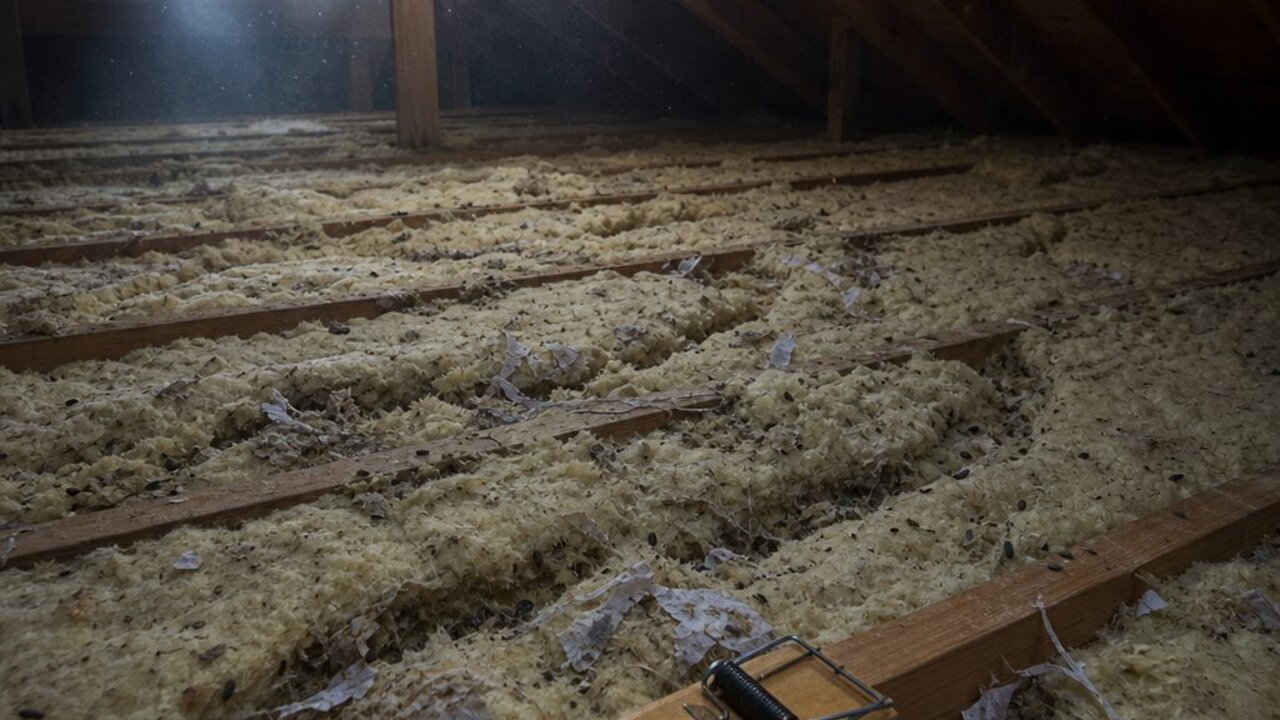
Rodent removal is a milestone, not the end of an attic cleanup. Once Universal Pest & Termite addresses the pest-control and exclusion scope, the insulation crew can evaluate what material remains, what surfaces are accessible, and what needs to be removed or cleaned.
“Sanitization” should describe a clearly written residential cleanup step. It should not be confused with medical decontamination claims or a guarantee that every odor or particle is eliminated.
Confirm the Space Is Ready
Ask Universal Pest & Termite for its findings about activity and entry points, including any recommended monitoring. New insulation should not be installed while animals can still access the attic or while a known moisture source remains unresolved.
The insulation provider should then inspect material condition, access, framing, penetrations, and ventilation. A second set of eyes is useful because pest control and insulation have different scopes.
What Insulation Cleanup May Include
Depending on the findings, the crew may establish work boundaries, use protective equipment and containment, remove affected insulation, bag material for disposal, and clean accessible framing or decking. Product selection and application instructions should be explained before any treatment is applied.
- Removal of visibly affected or unsuitable insulation
- Controlled handling and disposal rather than loose sweeping
- Cleaning of accessible surfaces identified in the written scope
- A treatment appropriate to the material and job conditions, if specified
- Documentation of areas that could not be accessed or treated
Know What Sanitization Does Not Mean
A surface treatment does not replace removal of heavily affected material, pest exclusion, or correction of a leak. No responsible scope should promise a blanket diagnosis, a medical outcome, or a perfect odor result from one application.
Duct interiors are outside ordinary insulation cleanup. If air-path cleaning is indicated, Universal Duct Cleaning can discuss that separate work and its own preparation and access requirements.
Replacement and Closeout
After cleanup, the crew should review whether the remaining assembly is dry and suitable for new insulation. The closeout should identify the material installed, work areas, excluded areas, fixture and ventilation precautions, and any follow-up assigned to another company.
Keep the pest report, photographs, treatment information, disposal record, and insulation proposal. This record helps future technicians understand the attic’s history without relying on a vague label such as “sanitized.”
What to Do Next
Once pest control is addressed, request a free insulation estimate for a clear insulation cleanup and replacement scope in Suffolk or Chesapeake. For a separate duct question, contact Universal Duct Cleaning.
Frequently Asked Questions
What does attic sanitization usually include?
The term can refer to controlled removal of affected insulation, cleaning of accessible surfaces, and an appropriate treatment when included in a written scope. Ask what will be removed, cleaned, treated, documented, and excluded.
Is attic sanitization professional decontamination?
No. Residential attic cleanup should not be described as professional decontamination or a medical service. The provider should explain its actual process and limitations.
Can sanitization happen before rodents are removed?
Active rodents and access points should be addressed first by Universal Pest & Termite. Otherwise, new cleanup and insulation may be exposed to continuing activity.
Does sanitization remove every attic odor?
Odor results depend on the source, affected materials, ventilation, and the condition of the structure. A treatment is not a guarantee of complete odor removal, especially if material or a moisture source remains.
Does the insulation crew clean the HVAC system?
No. HVAC duct cleaning is separate work performed by Universal Duct Cleaning. The insulation proposal should identify whether it includes only insulation and accessible surrounding surfaces.