

Rats Removed from Your Virginia Beach Home? 5 Critical Post-Infestation Steps for Kempsville & Oceanfront Attics
August 5, 2026
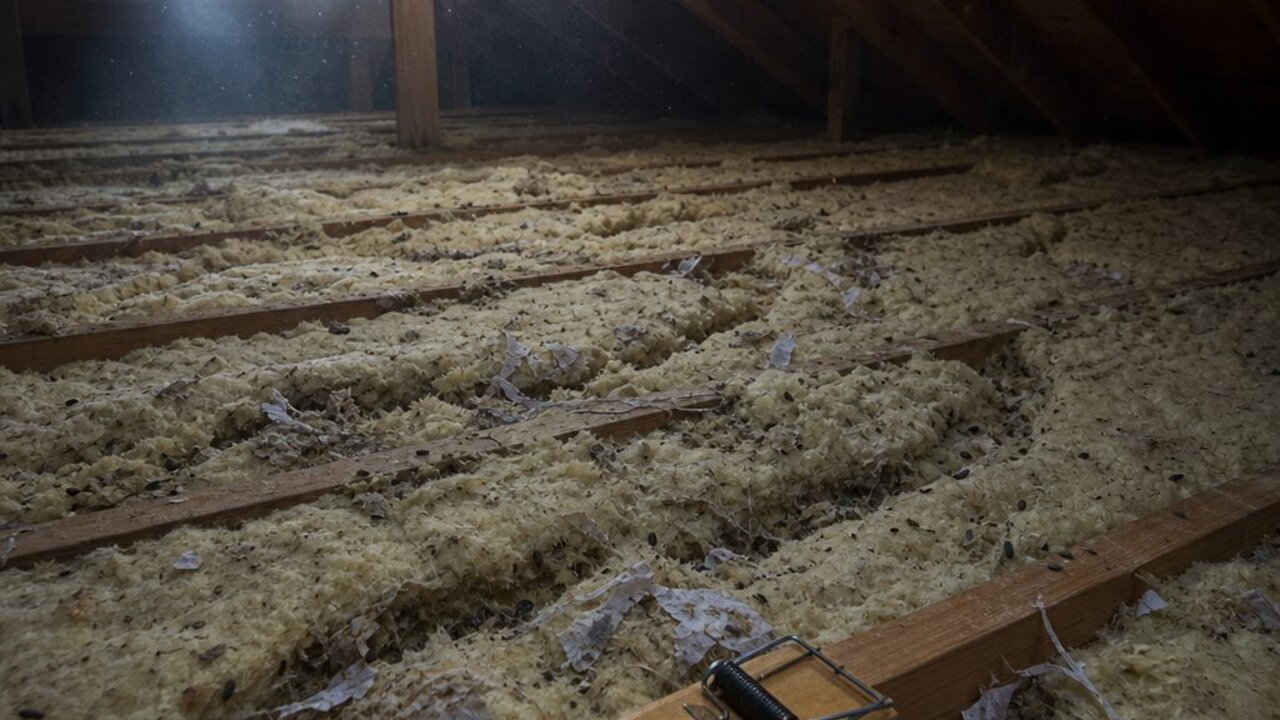
The traps have stopped filling. The scratching overhead has gone quiet. Your pest technician has signed off and told you the rodents are gone. For most Virginia Beach homeowners, that feels like the end of the problem — and it's the exact point where the second half of the job gets skipped.
Extermination ends the invasion. It does not remove what the invasion left in your attic. Nesting material, droppings, and urine-saturated insulation stay exactly where the rodents put them, and the attic keeps circulating air into your living space every hour of the day. In Kempsville (23462, 23464) and at the Oceanfront (23451) — two very different parts of the city with two very different rodent stories — we see the same pattern: the pest company does excellent work, and then nobody addresses the material.
Why Kempsville and the Oceanfront Both Have Rodent Problems — For Opposite Reasons
Kempsvilleis Virginia Beach's oldest settled area and its largest residential district, built out heavily through the 1960s, 70s, and 80s around what was once a colonial river village at the head of the Eastern Branch. Those subdivisions have now had five or six decades for hardwoods to mature over the rooflines, and for soffit panels, fascia boards, and roof-to-wall transitions to work loose. Roof rats travel the canopy and enter at the roofline; house mice come in at grade through garage thresholds and utility penetrations. Attics in this part of the city are often original construction with original access points.
The Oceanfrontis a different situation entirely. Salt air corrodes vent screens and metal flashing faster here than anywhere else in Hampton Roads. Older cottages sit close together with shared alleys and outbuildings, and a large share of the housing stock is rental or seasonal — homes that sit empty for weeks at a time with no one to notice the first sign of activity. By the time a returning owner smells something in October, the infestation has had a full season.
Either way, once the rodents are out, the five steps below are what actually resolves the problem.
Step 1: Confirm the Entry Points Are Sealed Before Anything Else
New insulation installed into an unsealed attic is a scheduled do-over. Before any material goes in, the exclusion work has to be finished and verified: soffit and fascia gaps closed, roof-to-wall junctions sealed, plumbing and electrical penetrations packed, ridge and gable vents re-screened, and crawl space vent covers replaced where they've rusted through.
This is our sister company's side of the work. Universal Pest & Termite handlesrodent trapping, exclusion, and entry-point sealingacross the city, and theirVirginia Beach pest control teamcoordinates the sealing schedule with our installation date so the attic isn't left open between the two visits.
Step 2: Have the Insulation Assessed — Not Eyeballed
The most common mistake is judging contamination by what's visible from the attic hatch. Rodent urine wicks through blown-in fiberglass and cellulose well beyond any nesting site, and once it dries it leaves no visible stain. A section that looks untouched from six feet away can be thoroughly saturated.
A proper assessment means going into the space, checking depth and compression across the full attic footprint, identifying runways and latrine areas, and documenting how far the affected zone actually extends. OurKempsville contaminated insulation removalandOceanfront removalinspections are free and produce a written scope, not a verbal guess.
⚠ Do Not Disturb Contaminated Insulation Yourself
The CDC identifies hantavirus as a serious risk associated with rodent droppings, urine, and nesting material in enclosed spaces like attics. Hantavirus Pulmonary Syndrome is transmitted by breathing airborne particles from dried droppings and urine — not by touching a rodent — and confirmed cases carry an approximate38%mortality rate. The CDC additionally lists leptospirosis, salmonella, and lymphocytic choriomeningitis among diseases associated with rodents. Stirring up attic insulation without respiratory protection is the single riskiest thing a homeowner can do after an infestation.See CDC guidance on hantavirus prevention.
Step 3: Full Removal, HEPA Vacuuming, and Antimicrobial Treatment
Contaminated material comes out under containment — HEPA-filtered vacuum extraction into sealed bags, hauled off-site rather than dumped in your driveway. With the attic deck exposed, the crew vacuums the framing and drywall tops, then applies an appropriate, label-directed surface treatment to the deck, joists, and any remaining surfaces.
It also matters for what comes next: rodent scent marking on framing is a homing signal for the next animal that finds a gap. Sanitizing the deck is not cosmetic. See ourinsulation removal processandsanitize and disinfect treatmentfor the full sequence.
Step 4: Inspect the Duct System — This Is the Step Almost Everyone Misses
In most Virginia Beach homes the supply and return ductwork runs directly through the attic the rodents were living in. Flex duct is easy for them to chew through and comfortable to nest inside. Once there's droppings or urine in a duct run, your HVAC system distributes those particles into every room, every cycle — which is why so many homeowners report that the smell gotworseafter the rodents were gone and the AC started running harder in August.
If your ducts were in the affected attic, they need inspection before the project is called finished. Universal Duct Cleaning handlesduct cleaning in Virginia Beachand can be scheduled between removal and reinstall so it only takes one coordinated project. Our ownair duct cleaning pageexplains how the two services sequence together.
Step 5: Reinstall to Full R-Value — and Consider a Deterrent Blend
The Department of Energy recommends R-49 to R-60 for attics in Hampton Roads' climate zone. Insulation that's been tunneled through and compressed by nesting has already lost much of its rated value, because fiberglass works by trapping air in its structure — flatten it and the R-value doesn't come back.
When the new material goes in, you have a choice. Standard blown-in fiberglass restores the thermal performance and nothing else. OurPest Guard Insulation™is a borate-treated fiberglass blend described as intended to deter certain insects. Ask for the current product label to confirm listed insects, approved use, and treatment duration. It is not a rodent treatment or a substitute for exclusion.
For neighborhood-specific detail, see our pages forinsulation services in Kempsvilleandthe Oceanfront, or the citywideVirginia Beach insulation removaloverview.
Frequently Asked Questions
My exterminator said the rodents are gone. Doesn't that solve it?
It solves the infestation, which is the necessary first step — but extermination and remediation are two different trades. Pest control removes the animals and seals the entry points. Nobody in that scope of work removes the contaminated insulation, sanitizes the attic deck, or restores the R-value that nesting destroyed. Those materials stay in your attic until a restoration contractor takes them out.
Still finding droppings after the traps went quiet? Book a free attic inspection
How long after extermination should I schedule the insulation work?
As soon as exclusion is verified complete. There's no benefit to waiting, and two real costs to delaying: the attic keeps venting contaminated particles into your living space through the stack effect, and dried urine continues to spread odor into the framing. Most Virginia Beach homeowners we work with schedule the inspection within a week of their pest company signing off.
Want to see how contaminated material actually comes out? How insulation removal works
Oceanfront rentals sit empty part of the year. Does that change anything?
It raises the stakes. An unoccupied home gives an infestation months to progress without anyone hearing it, and salt-air corrosion at the Oceanfront opens new entry points on a faster cycle than inland neighborhoods. For rental and seasonal properties we recommend an attic check between the end of the season and the first cold snap, when rodents move indoors.
Wondering what Pest Guard adds on the reinstall? About Pest Guard Insulation™
Free Post-Infestation Attic Inspection
Universal Insulation Doctor serves Kempsville, the Oceanfront, and all ofVirginia Beach. We'll document contamination extent, check your ducts, and give you a written scope — free, with no obligation.
Ready for a Free Estimate?
Universal Insulation Doctor serves all of Hampton Roads. Call now or fill out our quick form — we'll get back to you same day.
Have a Question?
Can't find the answer you're looking for? Our team is always happy to help. Give us a call or fill out the form for a free no-obligation consultation.
(757) 962-0340